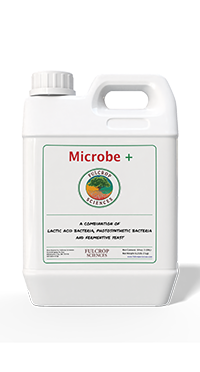
Bokashi EarthWorks Microbe+ 1 liter
$28.99
Sold out
Sold out
Product Details
Brand: Bokashi EarthWorks
A microbial inoculant is a formulated mix of beneficial microbes—typically bacteria and fungi—applied to seed, roots, soil, or growing media to enhance plant performance. Much like a healthy human gut microbiome, diverse root-zone communities help plants thrive; they don’t just coexist with roots, they collaborate.
How inoculants help
-
Competitive exclusion: Rapidly colonize the rhizosphere so “good” microbes occupy space and resources before pathogens can.
-
Nutrient cycling: Fix atmospheric nitrogen, solubilize bound phosphorus, chelate micronutrients (e.g., via siderophores), and release enzymes/organic acids that make nutrients plant-available.
-
Root protection: Form biofilms on root surfaces and outcompete or antagonize soil-borne pathogens.
-
Growth signaling: Produce or modulate phytohormones (auxins, gibberellins, cytokinins) that drive root development and vigor.
-
Immune priming: Stimulate plant defense pathways, improving resilience to biotic and abiotic stress.
Save this product for later
Bokashi EarthWorks Microbe+ 1 liter
Powered by Lightspeed
Display prices in:USD